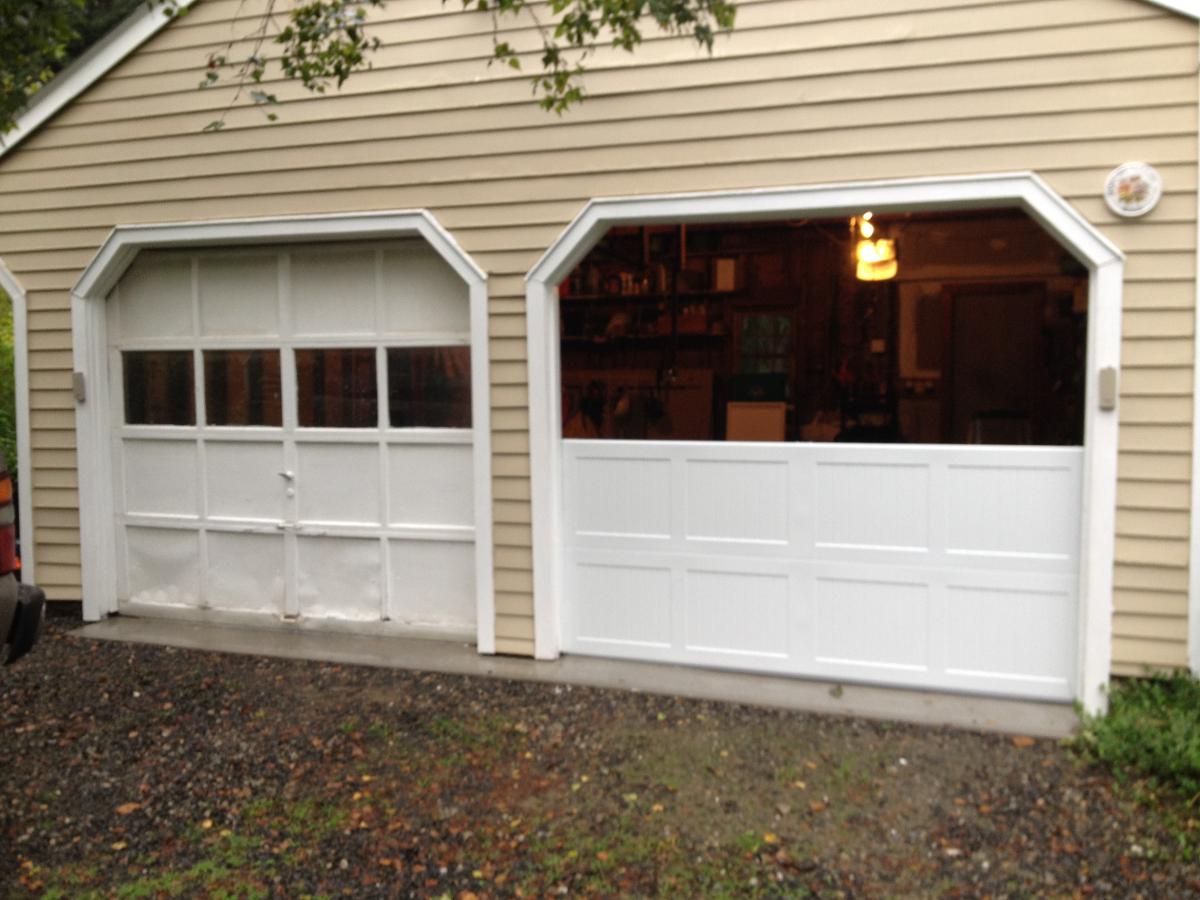
Signs Your Garage Door Needs Replacement Cables
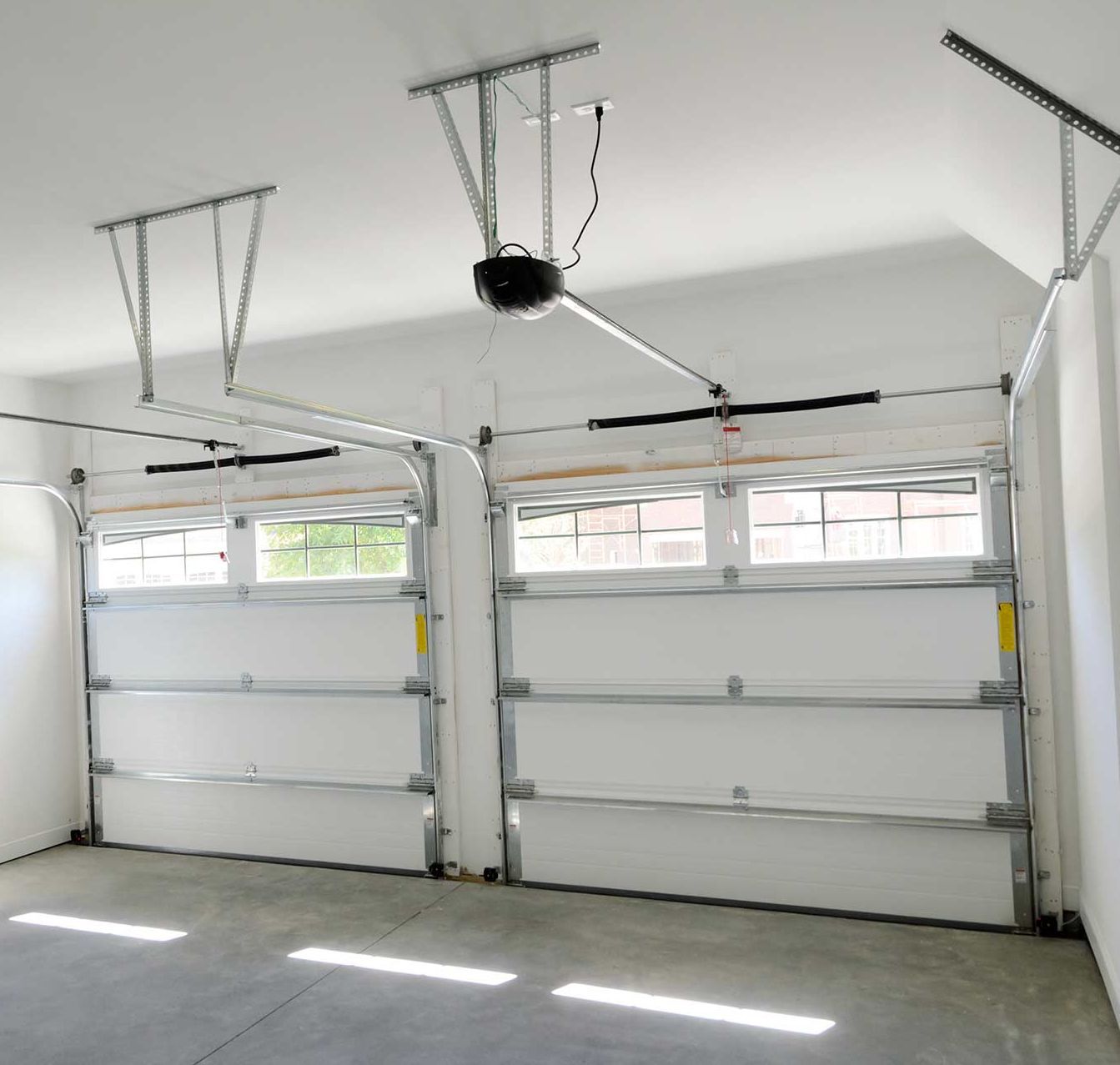
Garage door cables are an essential part of the system that helps lift, lower, and balance the weight of the door. Working alongside the springs and drums, the cables help keep the door moving smoothly and evenly. When they become worn, loose, or damaged, the entire system can become unreliable or even dangerous. Recognizing the warning signs early can help you avoid sudden failures and more extensive garage door repairs.
Sign #1: Frayed or Worn Cables
One of the clearest signs of cable trouble is visible deterioration. Garage door cables are made from tightly wound metal strands, and those strands can weaken over time from repeated use, moisture, and exposure to the elements.
Look for:
- Frayed or separated strands
- Rust or corrosion
- Flattened areas
- Kinks or bends
- Sections that appear thinner than the rest of the cable
Even if the cable is still functioning, visible wear may mean it is approaching the end of its service life. Damaged strands can continue to weaken until the cable eventually snaps.
Sign #2: The Garage Door Looks Crooked
A properly functioning garage door should remain relatively level as it opens and closes. If one side appears noticeably higher than the other, uneven cable tension may be part of the problem.
A stretched, loose, or damaged cable can cause one side of the door to move differently from the other. This uneven movement can place additional stress on the tracks, rollers, springs, and other components. If your door begins sitting crooked or looks uneven while moving, stop using it until the system can be inspected.
Sign #3: The Door Struggles to Open or Close
Garage door cables help support the weight of the door, so cable problems can make normal operation more difficult.
You may notice:
- Slower-than-normal movement
- Jerking or shaking
- Uneven movement
- The door stopping unexpectedly
- Difficulty opening the door completely
These symptoms can also be caused by other garage door components, which is why a professional inspection is important. A technician can determine whether the cables, springs, opener, tracks, or another part of the system is responsible.
Sign #4: A Cable Is Loose or Hanging
A cable that is slack, hanging, or completely detached is a strong sign that professional service is needed. Garage door cables should remain properly seated around the drums and connected to the system. If a cable slips out of position or loses tension, the door may become unbalanced and difficult to control.
Do not attempt to reconnect a loose cable yourself. Because the cable system works with high-tension springs, improper handling can result in serious injury.
Sign #5: You Hear Unusual Noises
A garage door naturally makes some noise while operating, but new or unusually loud sounds deserve attention.
Cable-related problems may be accompanied by:
- Scraping
- Popping
- Grinding
- Metallic rubbing
- Sudden snapping sounds
A snapping noise may indicate that a cable has broken or that another high-tension component has failed. If this happens, avoid operating the door until a qualified technician can inspect the system.
Sign #6: The Door Falls or Closes Too Quickly
A garage door that suddenly drops or closes much faster than normal should be treated as a serious warning sign.
The cables and spring system work together to counterbalance the considerable weight of the door. When one of these components fails, the door may no longer be properly supported.
If the door begins falling, slamming shut, or becoming unusually heavy to operate manually, stop using it and arrange professional service as soon as possible. Continuing to operate a compromised door can create significant safety risks and may cause additional damage.
Why Garage Door Cable Issues Should Be Handled Professionally
Garage door cable replacement is not an ideal DIY project. The cables operate as part of a system that can be under significant tension. Attempting to loosen, reconnect, or replace them without the proper tools and training can result in sudden movement of the door or spring system.
A professional garage door technician can safely inspect the cables while also checking related components such as:
- Springs
- Cable drums
- Rollers
- Tracks
- Brackets
- Pulleys
- Hinges
- Fasteners
Sometimes a damaged cable is only one symptom of a broader mechanical issue. A complete inspection can help identify the underlying cause and reduce the likelihood of another failure.
Can Garage Door Cables Be Repaired?
Minor garage door adjustments may sometimes involve correcting cable tension or repositioning a cable that has come off a drum, depending on the condition of the system.
However, cables that are frayed, broken, severely stretched, kinked, or badly corroded are typically replaced rather than repaired. Once the metal strands have been compromised, the cable may no longer have the strength needed to safely support the door.
In many cases, technicians may recommend replacing both cables at the same time, particularly when they are similar in age and condition. This can help maintain even performance on both sides of the door.
Contact Our Garage Door Repair Team to Get Started
Garage door cables may be relatively small components, but they play a critical role in the safe and reliable operation of your garage door.
If you suspect your cables are worn or damaged, we invite you to contact one of the friendly team members at Casella Garage Doors to request support! For years, our qualified technicians have continued to provide repair and replacement work across the Ridgefield, CT and Purchase, NY areas. When it comes to garage door repair, we can just about do it all!